
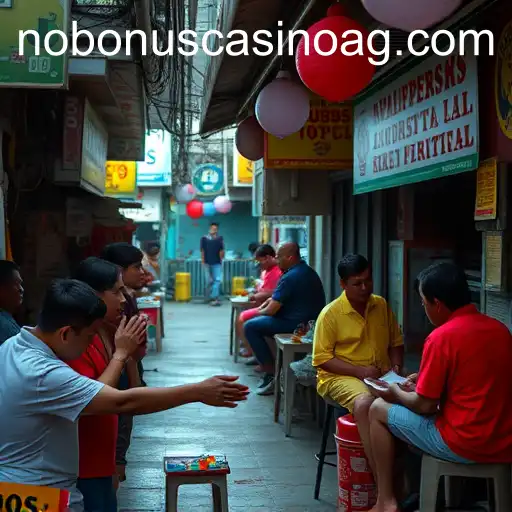
The Complex World of Jueteng in the Philippines
Jueteng, an illegal numbers game that has thrived for decades in the Philippines, is a significant cultural phenomenon deeply embedded in the nation's socio-economic fabric. The game's resilience over the years highlights both the problems of illegal gambling and the resourcefulness of those who rely on it. Despite continuous efforts by law enforcement, jueteng continues to persist, driven by entrenched networks and the potential for substantial earnings.
Understanding Jueteng
Jueteng traces its origins back to Spanish colonial rule, evolving over time into the numbers game it is today. The game itself is simple. Typically, players buy tickets and select a combination of numbers, betting small amounts of money. Winning numbers are drawn, and those holding tickets with the correct combinations win a prize, usually larger than their original wager.
This accessibility, coupled with the dream of quick financial gain, has led to jueteng's widespread popularity, particularly among low-income communities. Participation requires minimal investment, yet it offers a sense of hope for better financial prospects, however slim the odds might be.
The Role of 9099.bet in Jueteng's Modern Landscape
In recent years, digital platforms like 9099.bet have surfaced, revolutionizing the way people engage in numbers games. Although primarily legitimate and operating within legal boundaries, these platforms reflect jueteng's inherent lure—the promise of striking it rich with a small stake. They provide users with a virtual environment where they can participate in similar betting activities, albeit without the illegalities of traditional jueteng.
The rise of online betting has brought increased scrutiny from authorities. However, it also showcases technology's role in reshaping how traditional gambling games are played, blurring the lines between legality and cultural practice.
Socio-Economic Impact
The socio-economic impact of jueteng cannot be overstated. For many individuals and families, the game presents an opportunity to improve their livelihoods amidst enduring poverty. Jueteng often assumes the role of a community fixture, generating economic activity and offering some short-lived financial relief to winners.
However, the negative consequences are significant. The illegal nature of jueteng means it operates beyond the reach of regulatory frameworks, contributing to an underground economy that fosters corruption. In many regions, forceful jueteng operators collaborate with corrupt local officials, complicating efforts to clamp down on the practice.
Challenges in Eradication
Efforts to eradicate jueteng face various challenges, not least of which is its widespread acceptance. Many are too reliant on the game for their livelihood to support measures against it. Moreover, the game's simplicity ensures it can quickly adapt to governmental efforts to curtail its spread—from shifting locations to adopting digital techniques.
Governments have struggled to find effective solutions, as the game’s appeal lies in its cultural roots and the economic necessity it represents for the impoverished sections of society. Occasional crackdowns and arrests have done little to suffocate jueteng's spread. Instead, they often lead to temporary lulls in activity followed by resurgences once legal pressure subsides.
Government Initiatives and Policies
Over the years, various administrations have launched initiatives intended to replace jueteng. For example, the Philippine Charity Sweepstakes Office introduced official numbers games with the aim of channeling proceeds into public health projects. These games offer similar mechanics to jueteng, giving players a lawful way to partake in number betting whilst supporting state welfare programs.
Nonetheless, these initiatives have had limited success in supplanting traditional jueteng. The informal game’s adaptability and the intimacy of the interpersonal betting network continuously overshadow government alternatives.
Cultural Resilience
Jueteng’s cultural persistence is key to understanding its staying power. For many Filipinos, participation forms part of a daily or weekly routine rooted in social interaction. Similar to how camaraderie is fostered at community gatherings, jueteng revolves around community, catalyzing interaction among participants and operators.
While government-backed solutions try to retain players who favor structured regulation, the deeply ingrained tradition of jueteng offers an unmistakable allure that remains hard to match. Its informality extends a social habitat that many shared activities now lack in modern settings.
Moving Forward
Understanding jueteng involves acknowledging its historical and cultural significance alongside the challenges intrinsic to its curtailment. While digital platforms like 9099.bet point to a future of regulated betting, an ever-present dialogue is necessary to reshape public perception and potentially guide the tradition into lawful practices.
The wider narrative of jueteng reflects broader themes of socio-economic struggle, cultural endurance, and resistance to inequity. Without addressing the conditions that engender its necessity, any attempt to extinguish jueteng is unlikely to succeed in the long term. Crucially, dialogue and policy must consider bridging cultural heritage with progressive regulation as part of a broader strategy to alleviate reliance on illegal gambling.